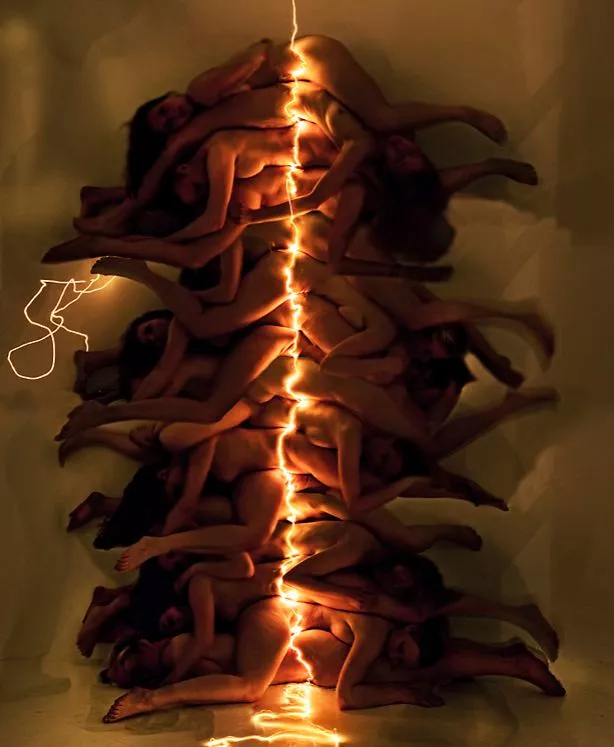
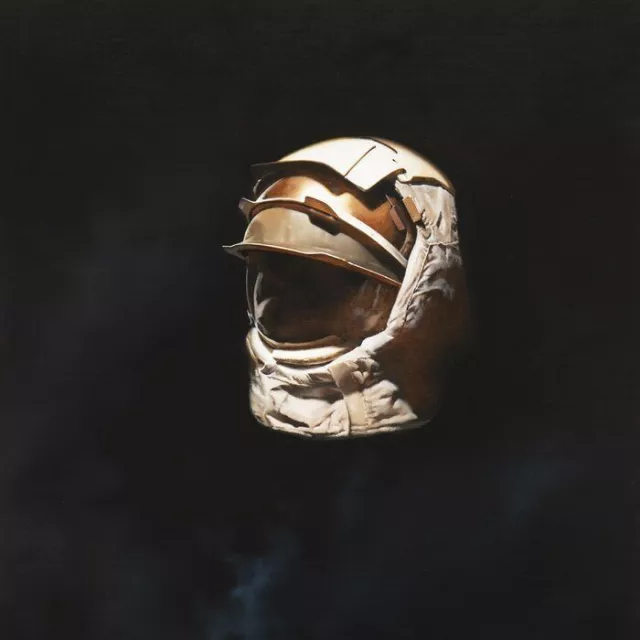
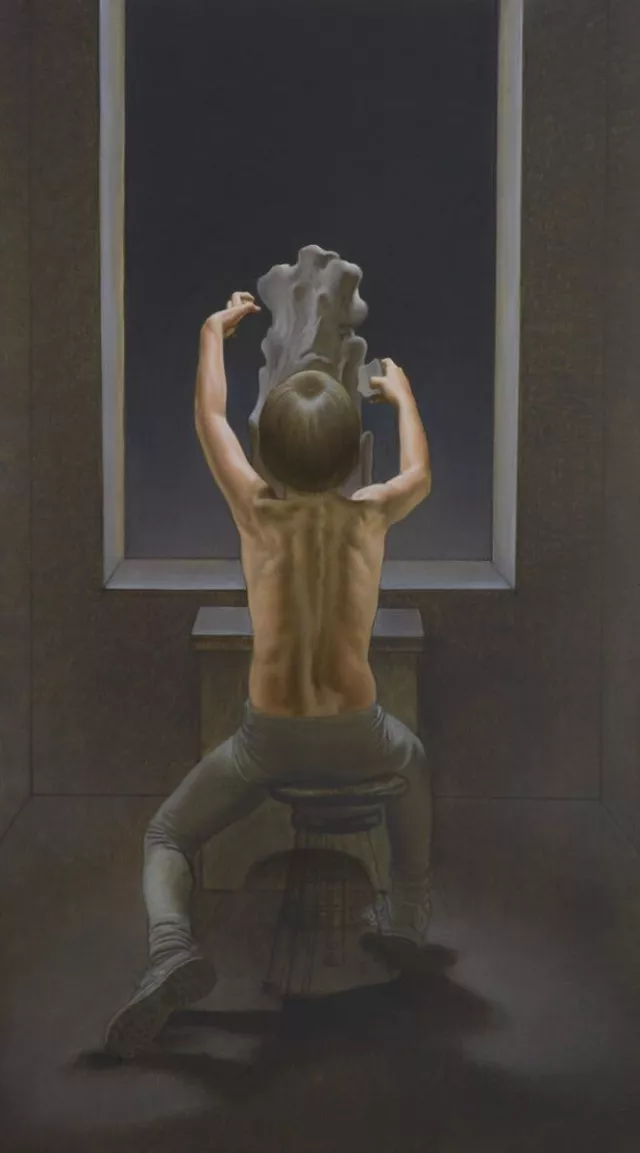
True Romance – The Transformed Body presents works by Per Morten Abrahamsen, Adam Bota, Francesca Genovese, Maurizio L'Altrella and Dario Puggioni (all except Adam Bota shown to Czech audiences for the first time) and offers a deep insight into the complex transformation of the human body in today's world. These transformations are driven by rapid technological progress and the growing influence of transhumanist and posthumanist ideas. Transhumanism focuses on enhancing human abilities through technology, including cyborgisation, genetic modification and artificial intelligence. Posthumanism pushes the boundaries of human existence beyond the biological body and explores how technology might reshape the very essence of being human.
Contemporary art reflects these changes in its depictions of the body. Traditional representations of the body were often idealised and focused on aesthetic values. Modern artists, by contrast, explore the body as a dynamic, constantly changing object. Their work addresses themes such as avatarisation, technological integration and cyborgisation, reflecting current fears and hopes about the future of the human body.
The traditional understanding of the body rests on biological and cultural norms that define what it means to be human. The body was seen as finite, unchanging and defining our identity. The transhumanist understanding, by contrast, regards biological limits as surmountable: the body becomes something that can be modified and enhanced through technology. This represents a fundamental shift in how we understand ourselves and raises questions of identity, ethics and the future of humanity.
In contemporary art the body is often shown as a site of conflict between traditional and modern values. Artists examine how technological innovation changes our perception of the body and its functions. In the work of Dario Puggioni, for example, the body appears as a hybrid form combining organic elements, raising questions about the human condition. Francesca Genovese focuses on emotion and identity in the digital age, where the body is no longer firmly defined but fluid and changeable.
Comparing the depiction of the body in contemporary and earlier art reveals profound differences in how human existence is perceived. Earlier art often celebrated the body in its ideal form, emphasising its aesthetics and symbolism. The sculptures of ancient Greece and Renaissance paintings show the body as a harmonious whole embodying beauty and perfection. Contemporary art often deconstructs this ideal, presenting the body as imperfect, vulnerable and subject to change.
True Romance – The Transformed Body at JSP Art Gallery illustrates this evolution. It confronts viewers with the paradoxical position of the body in today's world and shows how technology is changing our physical and psychological identity.
The body becomes a field for experiment, where traditional ideas collide with new, futuristic visions.
The exhibition reflects the development of the depiction of the body in art and explores the connection between traditional and transhumanist understandings of the human body. It creates room to discuss what it means to be human in an era of technological innovation and how these changes affect our self-understanding and cultural identity.
— Sebastian Pastuszak Jr.
It is 1993. In that year Tony Scott films True Romance, a road movie based on a script by Quentin Tarantino. A couple in love travels across the country, heedless of any possible loss or risk; only their love hangs in the air. A year later Oliver Stone took up the script and made the groundbreaking Natural Born Killers. A palette of cuts and overlapping events surrounds the murderous couple, Juliette Lewis and Woody Harrelson, who nevertheless – to a grotesque degree – stay true to each other: their love fully asserts itself against every obstacle.
If we analyse the film through the images it creates within a heap of multi-layered media chaos, it is obvious that romantic motifs of untouched nature and quiet longing keep returning to the centre – with Bob Dylan and Leonard Cohen singing their melancholic ballads. The very core of the film points to a unique possibility of authentic existence in the bond created by romantic love. Yet love, too, is naturally only an illusion and ultimately remains a mere sign in a vast sea of “prefabricated” media animations and artificial suggestions.
I believe this romantic utopia is extraordinarily strong in contemporary art, even if it works here as a leitmotif in the sense of a zeitgeist that offers a symbolic way out of artificially oversaturated media motifs and postmodern looseness – ergo out of a world of every possible context and allusion. The exhibition True Romance – The Transformed Body would like to point to the possibility of resisting the ubiquitous use of media through urgent images, which are also central to Natural Born Killers.
— Uwe Goldenstein