Thin Cities 1
In Invisible Cities (1972), Italo Calvino describes Isaura, the city of a thousand wells, said to rise over a deep subterranean lake. Its green border follows the dark shores of the buried water; the invisible landscape conditions the visible one. Two religions live side by side there: some believe the gods dwell in the depths of the black lake, others that they live in the buckets, pulleys, pumps and water towers that draw the water up – in everything that climbs towards the sky.
Let us imagine walking light-headed through the metropolis we inhabit, crossing parks and streets. We take in the atmosphere of the landscape and then focus on details: the asphalt, the cobblestones, an insect here and there – are there any trees? – a tuft of grass peeking out of a crack in the wall. We listen: a car brakes sharply, a beetle takes off, water runs beneath a manhole cover.
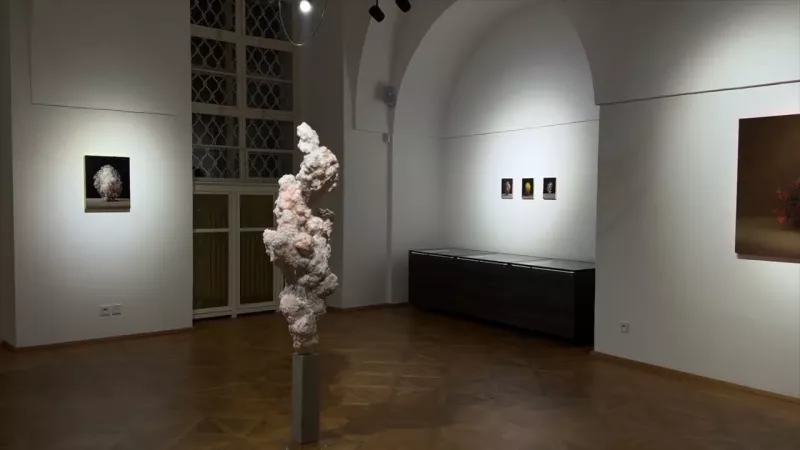
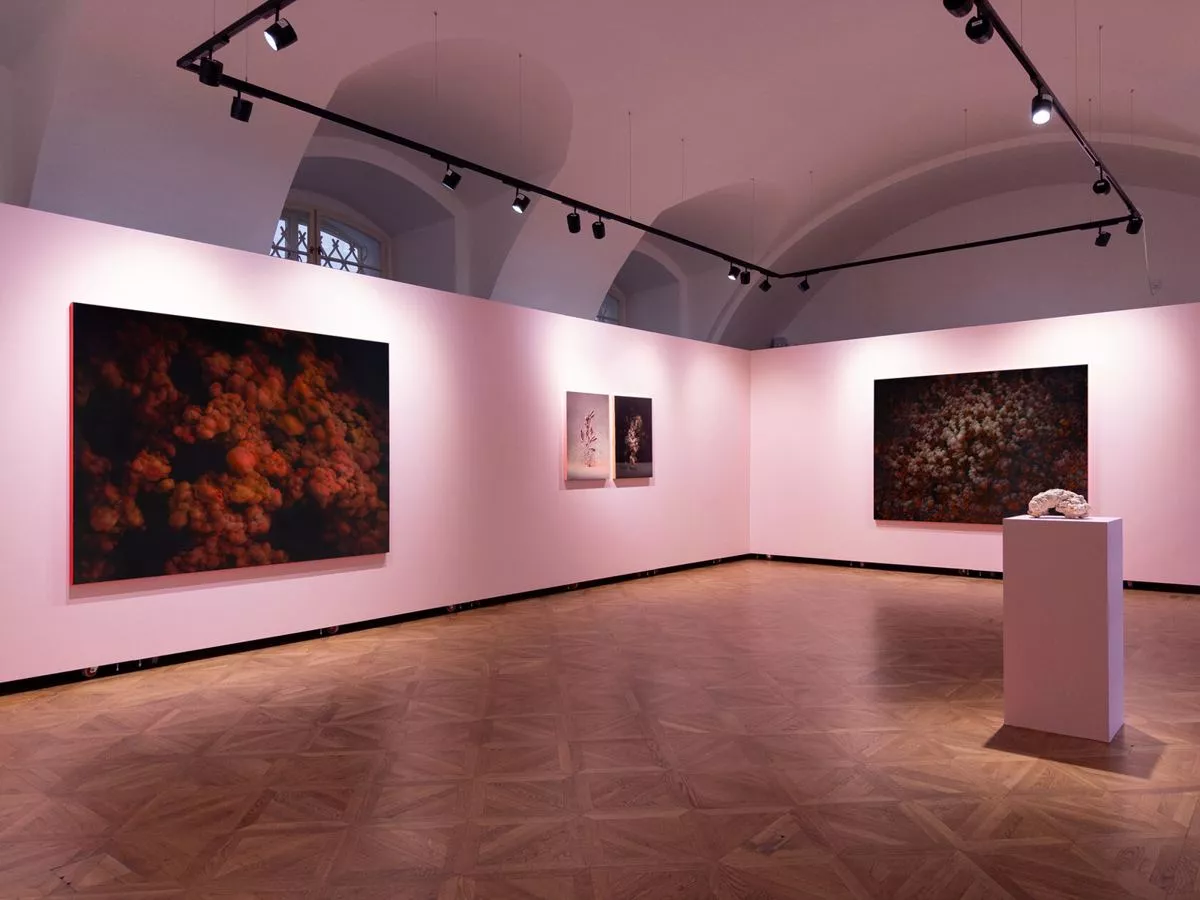
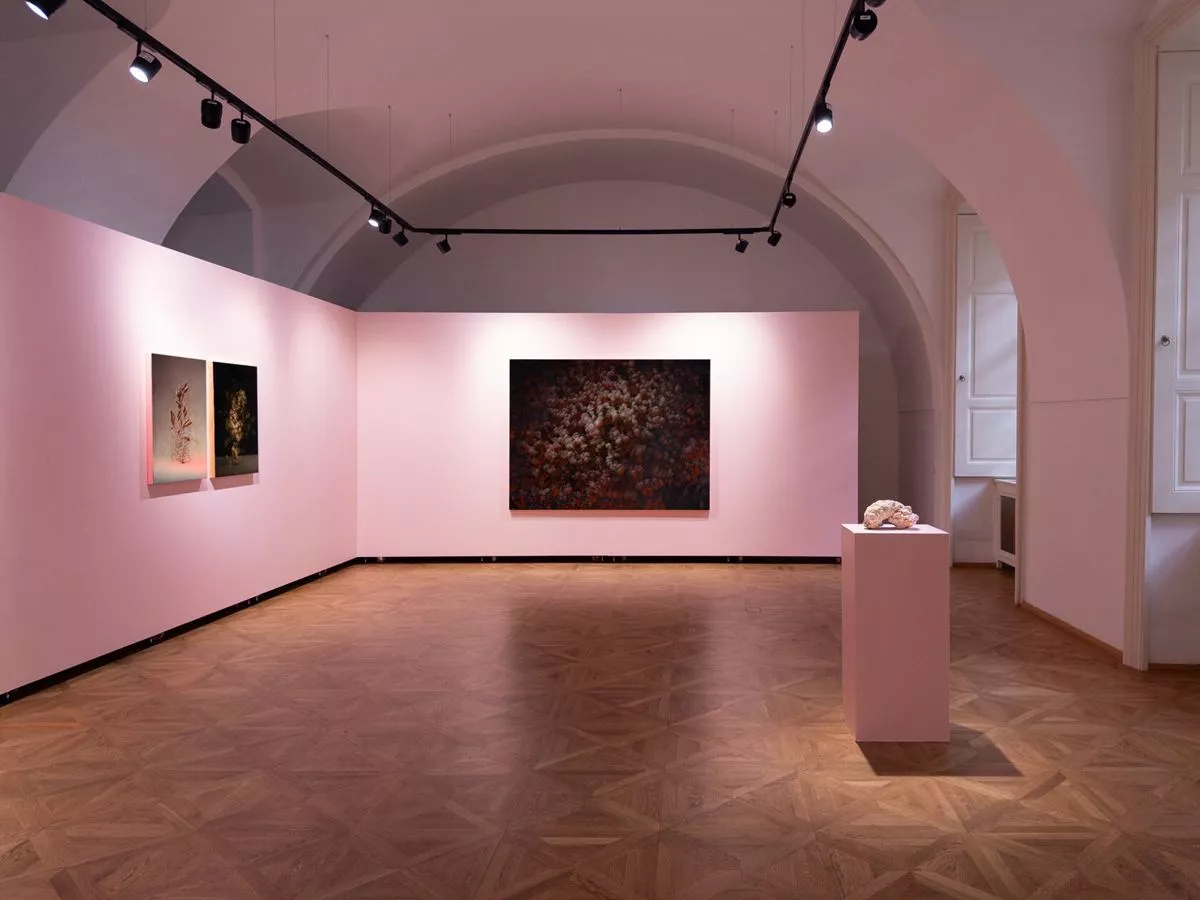
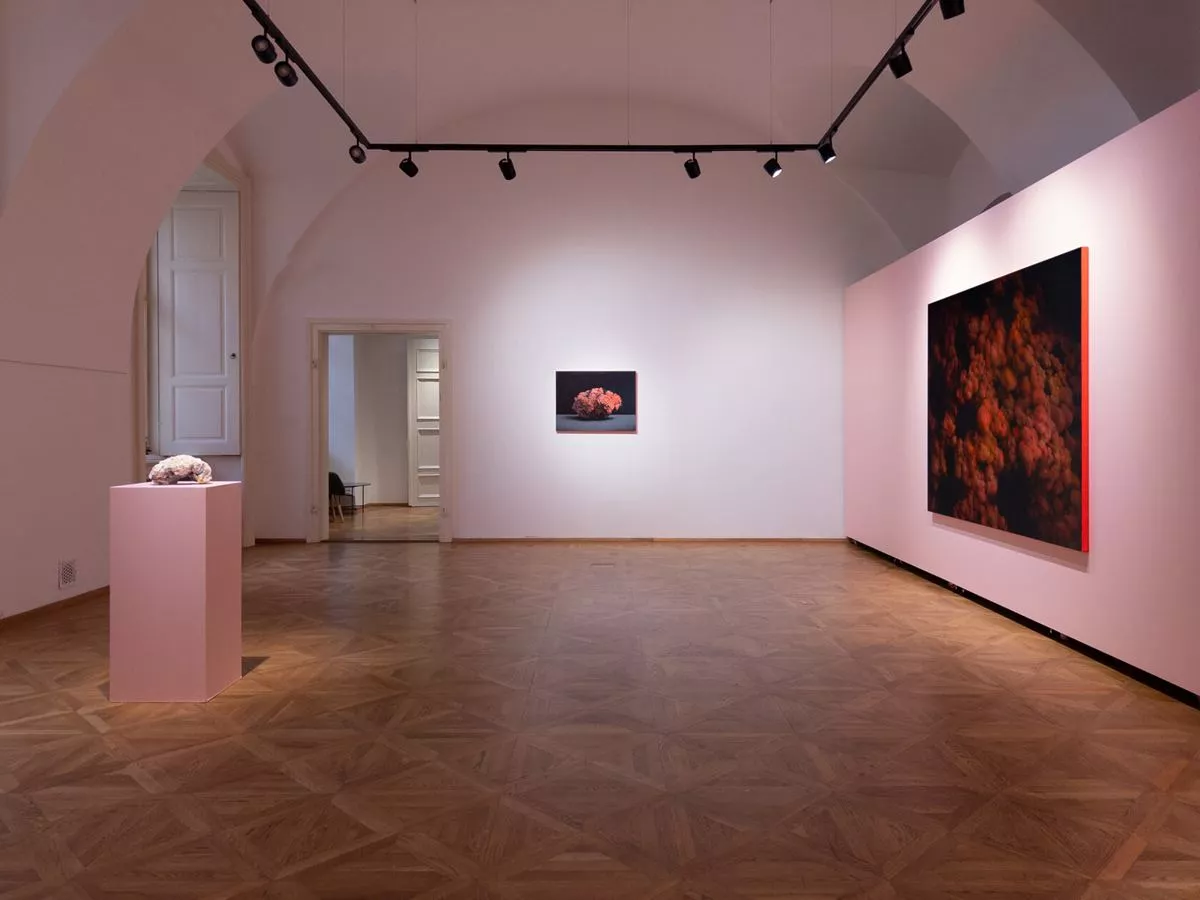
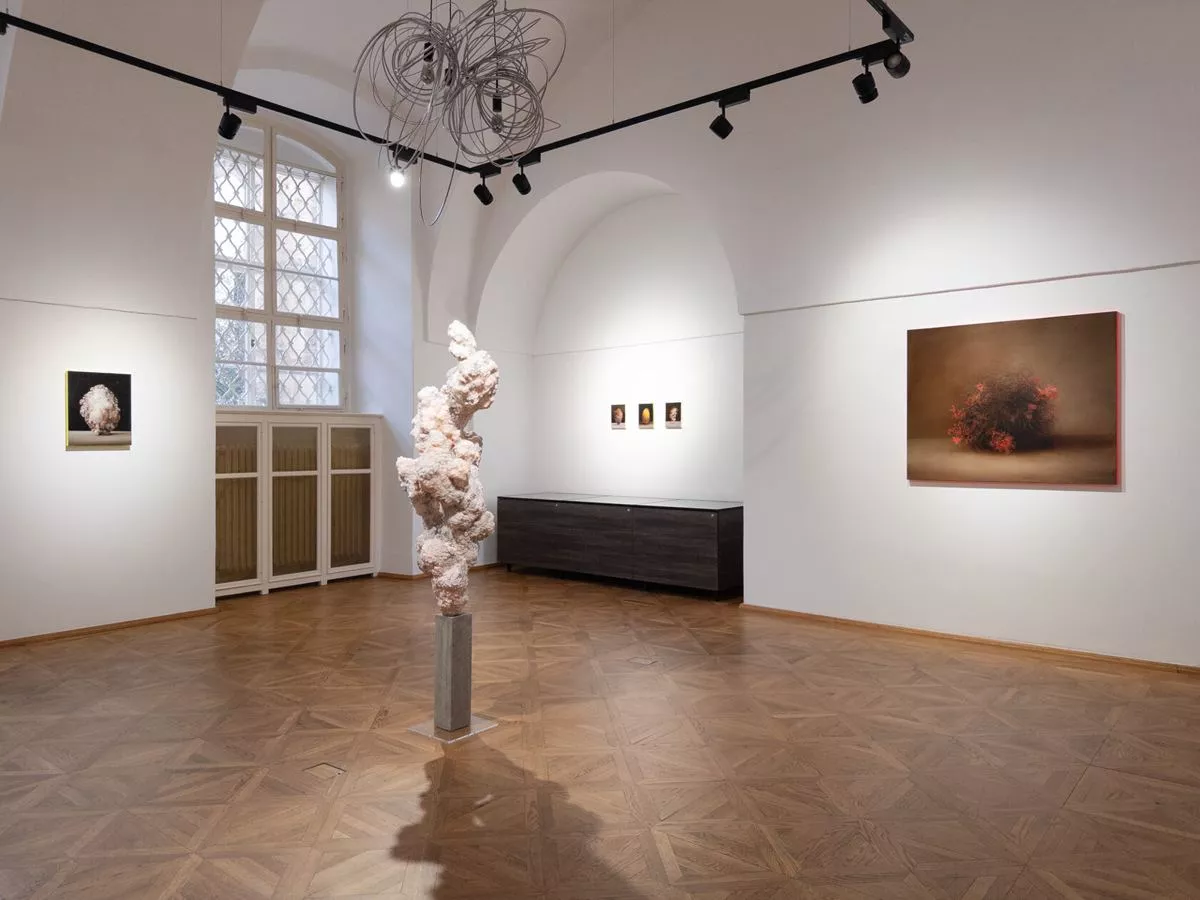
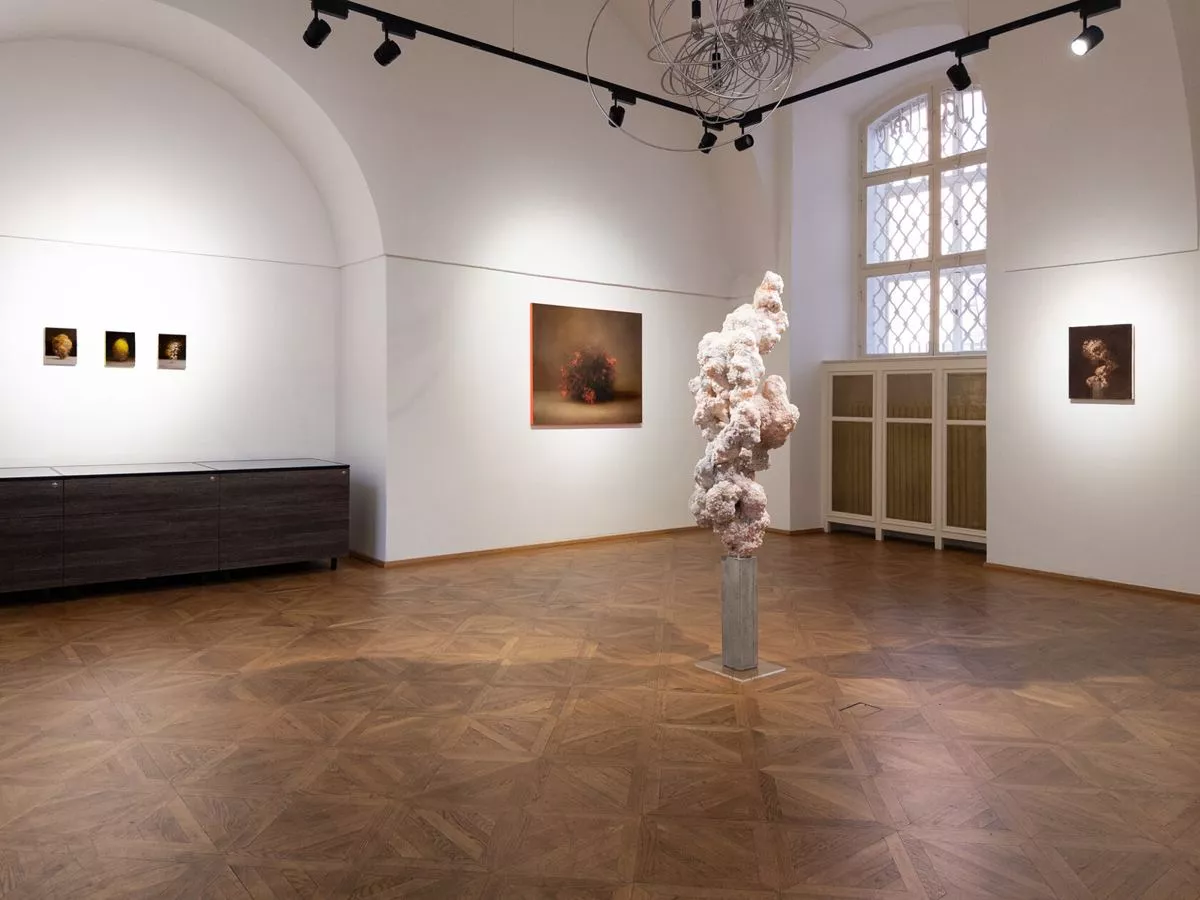
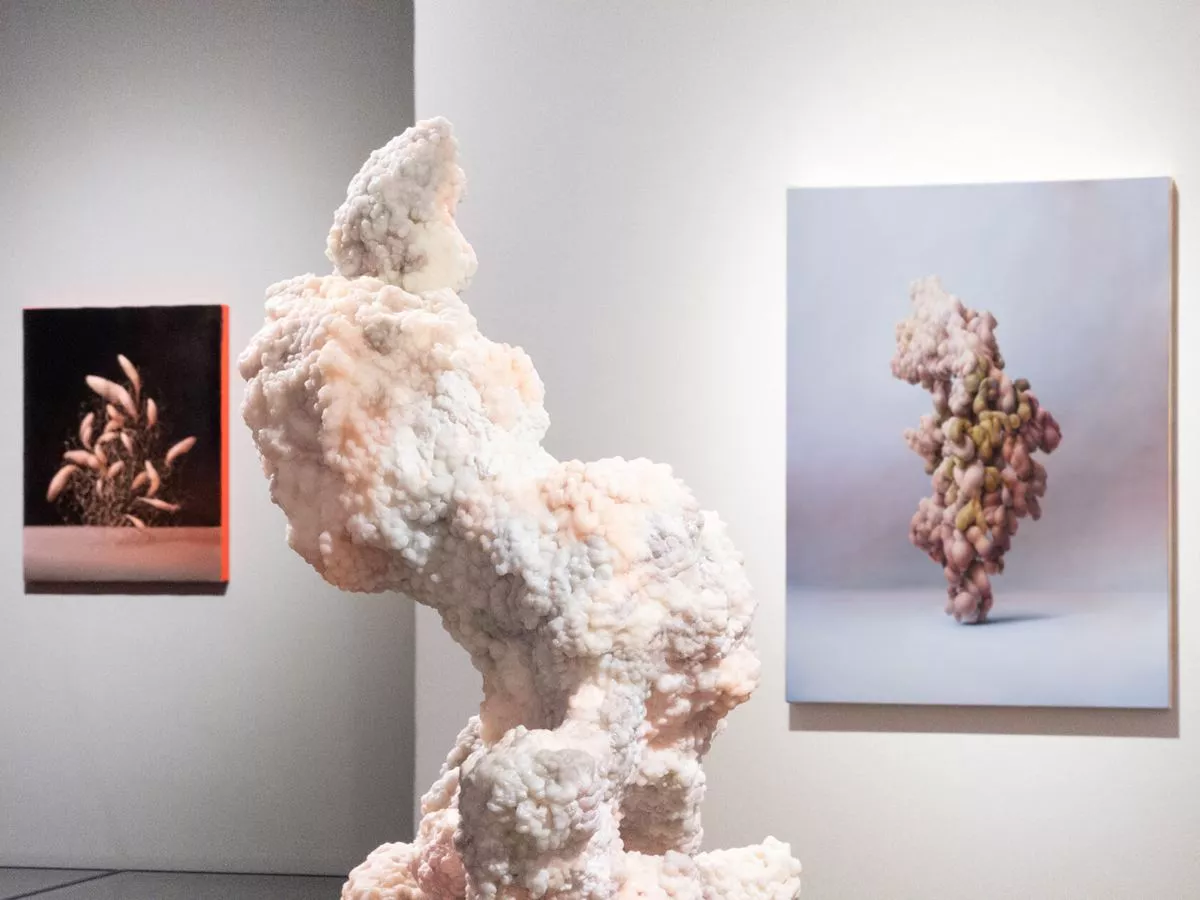
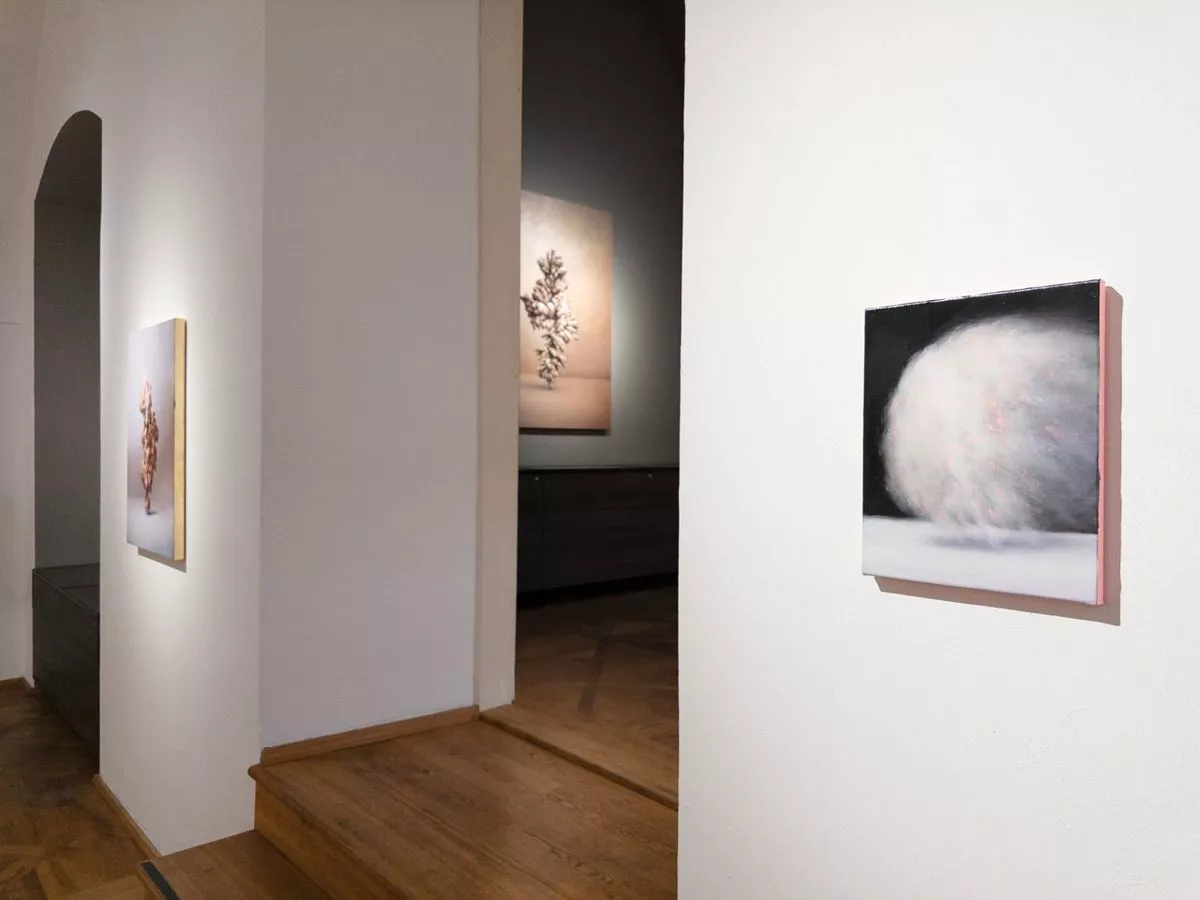
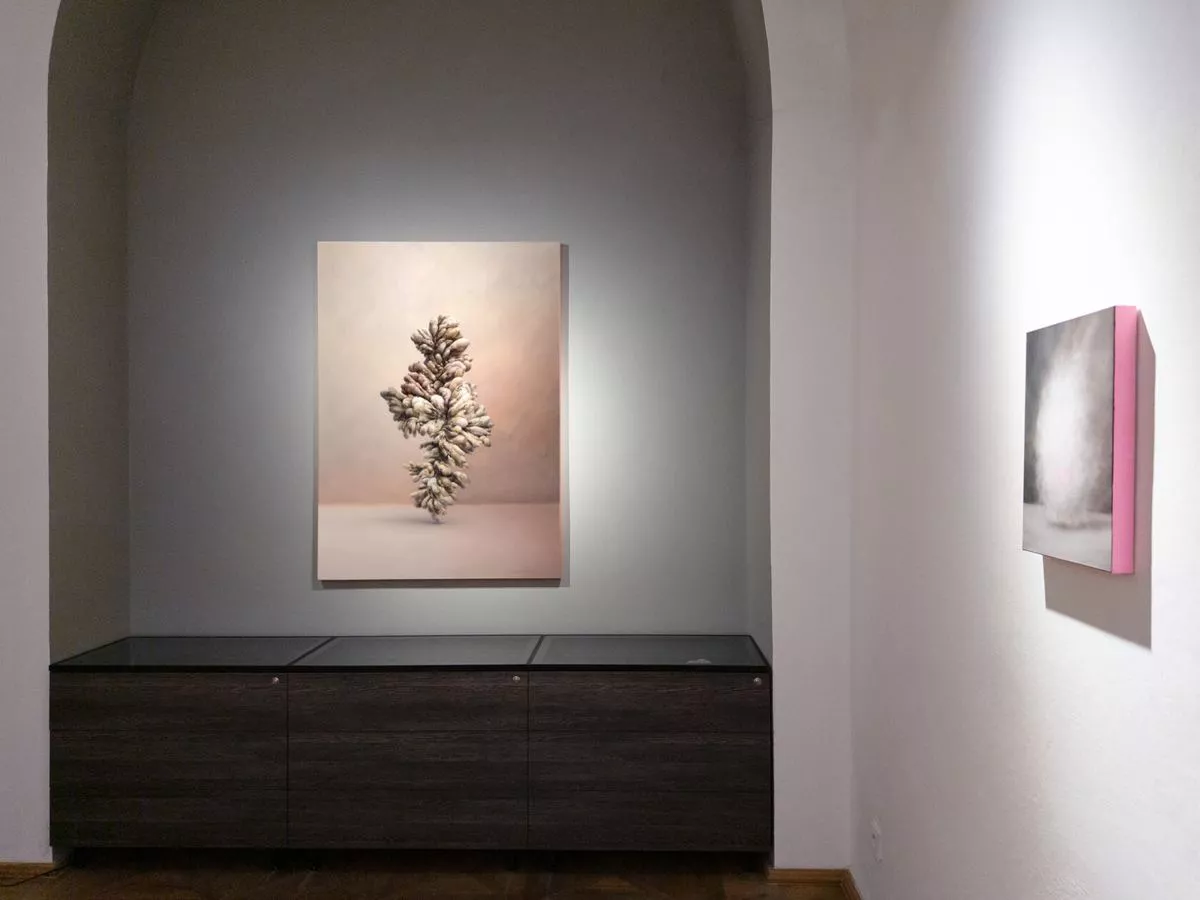
Enrico Minguzzi draws on mental yet lived landscapes – lost and rediscovered – and creates transformed elements, animal and plant motifs, shapes that change in order to inhabit these spaces: invisible landscapes that shape the visible ones.
On the canvas appears the dualism of Being and Nothingness, a depiction of fundamental, often hidden sources and opposites that are close to each other, as in Isaura. And just as in Isaura, in Minguzzi's “cities” the surface merges with the dark outlines of the buried lake. It is in this black lake that truth waits, sleeping and incomprehensible – objective truth.
Like Calvino, Minguzzi seems to ask: what are the original truths that form the basis of life and of the development of civilisations? We sense that his works, living beings among the sleeping and the motionless, among the “infrastructures”, reveal their beauty (and their greatness) by building their foundations on a deep underground reality unknown to their inhabitants – for “Veritas est in puteo” (truth lies at the bottom of the well), as Schopenhauer put it. The true essence remains hidden, and these landscapes, still lifes and delicate organisms build their grandeur on a fundamental unknowing.
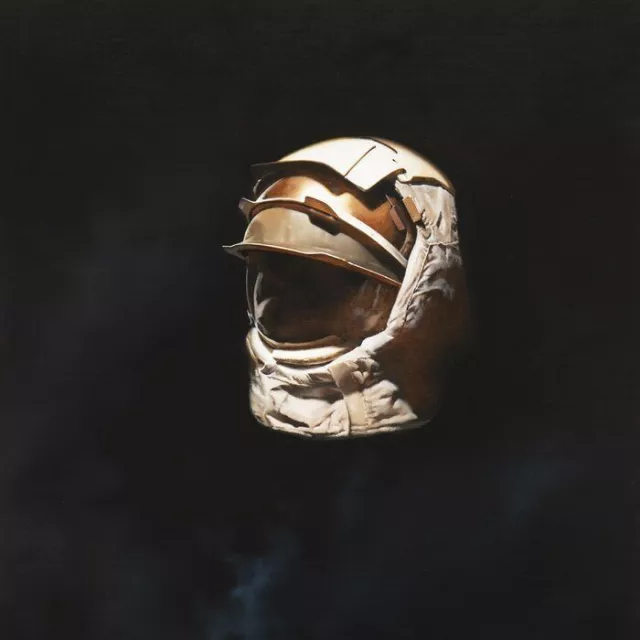
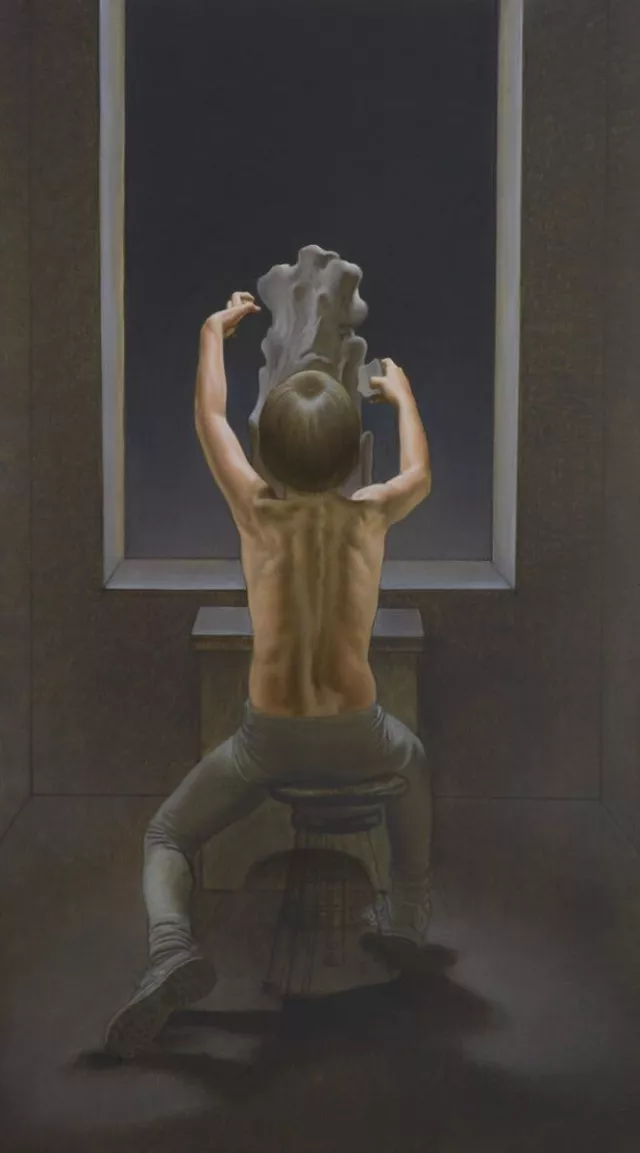
Minguzzi invites us to dive into the depths of the black lake, to bring light there and give the viewer a deeper view. His “digressions of nature” are delicately balanced between order and chaos, creating endless creative possibilities. The artist focuses on details, on the elements of his cities, which he handles and manipulates to give them different meanings and breathe into them new, unique and no less true beings. Everything is immersed in a hybrid atmosphere, natural and artificial, real and imaginary. Minguzzi descends into the dark lake: by painting, he touches its depths. His creations, carefully built layers of paint, are detailed and precise, yet subject to chance – more complex forms that encourage us to explore what is buried. And while these “invisible cities” are dreams rising from “uninhabitable cities”, we recognise them as essential territories of exchange and encounter. The crisis of place – another face of the crisis of nature – is only one of many expressions of cities that reach so far… but no further. Minguzzi's paintings are fantastic; they exist only in his paintings (as Isaura exists on Calvino's pages) and are imbued with “pulviscular utopias”, utopias reduced to minimal particles, present everywhere.
In one passage of Calvino's book, Kublai Khan begins to doubt the authenticity of Marco Polo's stories, suspecting them to be fantasies. In front of Minguzzi's art we find ourselves facing the same choice as Kublai Khan – and yet we follow him, because we understand that there is something deeply true in it.
— Lucia Rossi