“O ye who have undistempered intellects,
Observe the doctrine that conceals itself
Beneath the veil of the mysterious verses!”
(Dante Alighieri, Inferno, Canto IX, 61–63, trans. H. W. Longfellow)
Life – a mysterious verse – vanity of vanities… or perhaps not? The existential solitude of an artist thrown into life, searching the mirror for his true face, always comes up against the mystery of transformation and death. The ungraspable mystery of existence, which constantly calls for knowledge – always only an interpretation – hurts more than one is often able to bear. And yet life's transfiguration goes on. The daily effort to get out of bed, make new brushstrokes or design a new sculpture presupposes an inconspicuous but existentially decisive flame of hope that everything may, after all, have a hidden meaning.
In trying to understand this mystery, Richard reaches for historically traditional forms, and the content of his work draws richly on the great figures of the past: Dante Alighieri, Hieronymus Bosch, Franz Xaver Messerschmidt, William Blake and Tilman Riemenschneider. Nor are the texts of the Kabbalah, the Christian mystics or the Church Fathers foreign to him.
Richard Štipl holds up the mirror not only to himself but to society as a whole, even to an entire civilisation. With Diogenes of Sinope he returns to the agora and cries: “I am looking for a man.” His path to rediscovering the human being leads through finding himself. “You who have sound and clear minds, think,” he calls. Through his work he attempts to overcome the nothingness from which a work of art emerges. As with Hegel, the process of “becoming” presupposes non-being. Like Plato's Eros, Štipl's work is the child of lack and also of abundance, of incompleteness and an excess of strength. It is a kind of sacrifice. True creation presupposes catharsis, the liberation of the spirit from the determinism of matter and body. For Štipl, the path of purification leads through self-exposure, revealing the most hidden layers of his own psyche. He then turns the mirror held up to himself towards the viewer and becomes an unsettling prophet of the human condition.
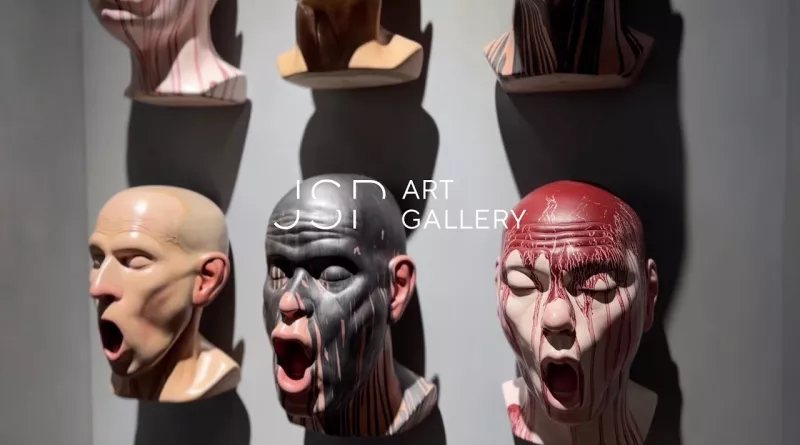
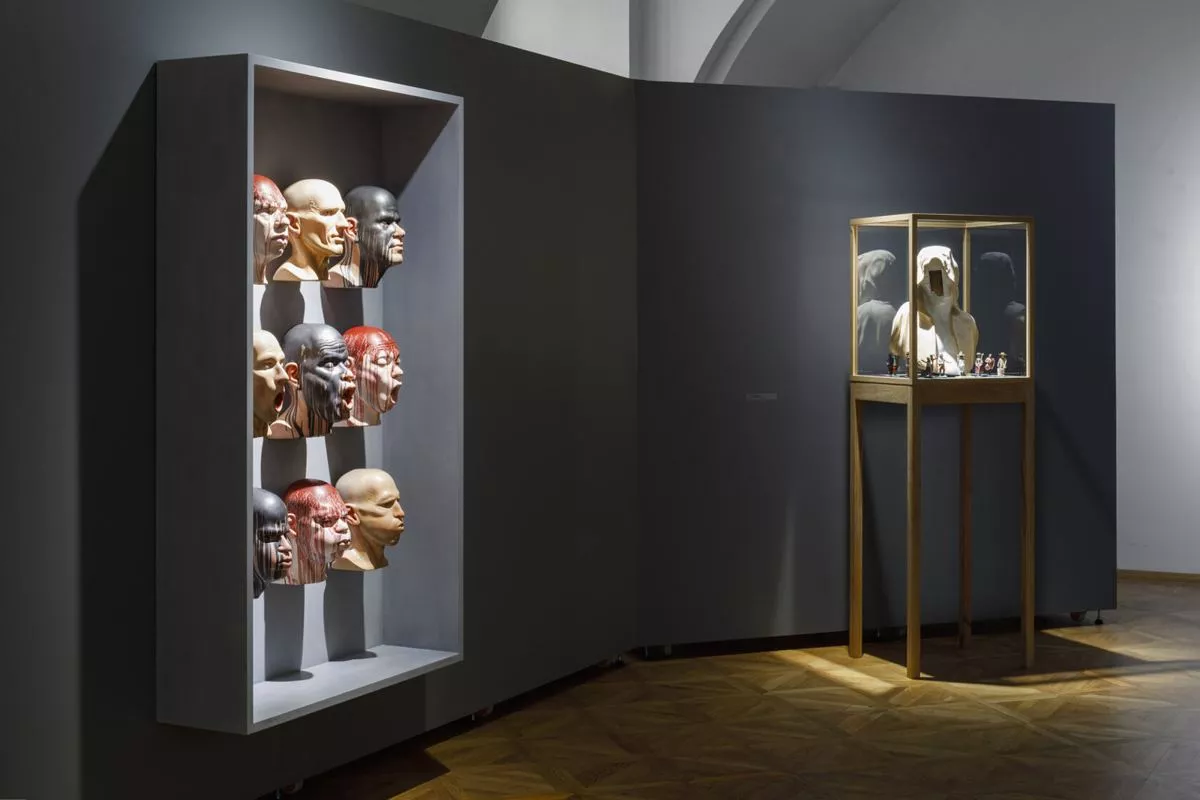
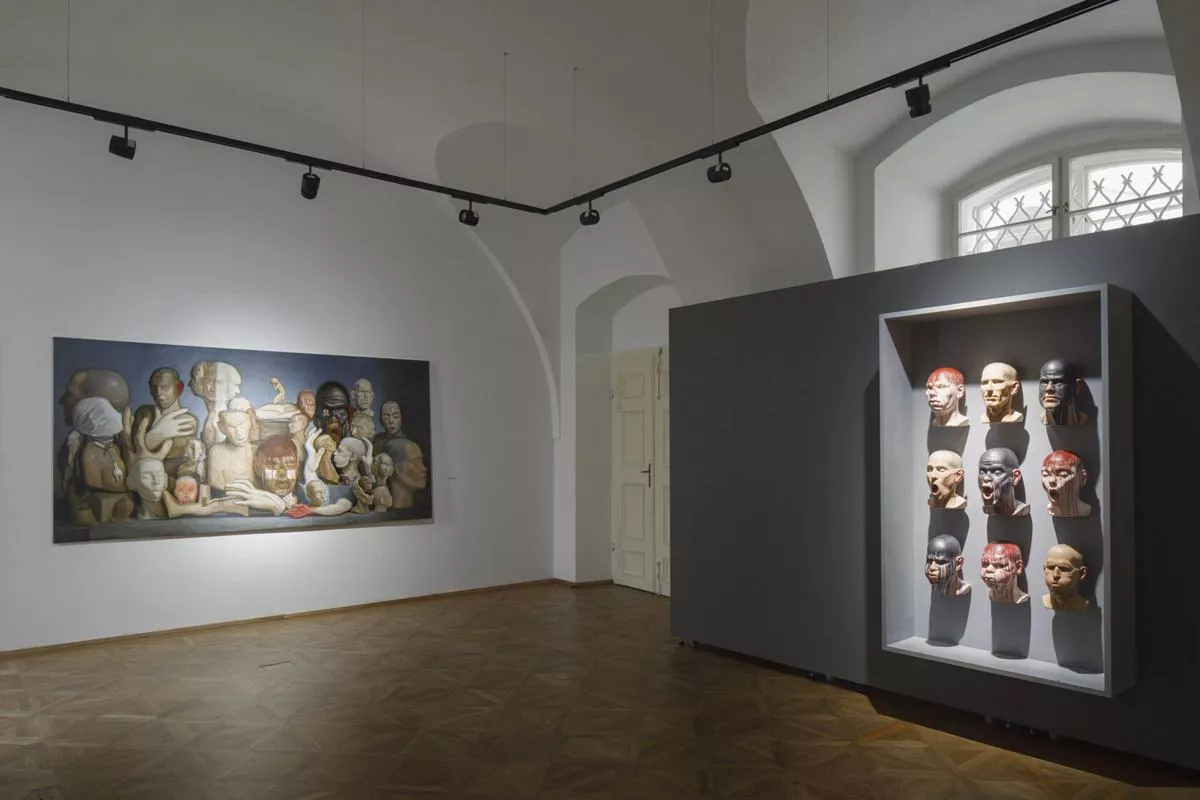
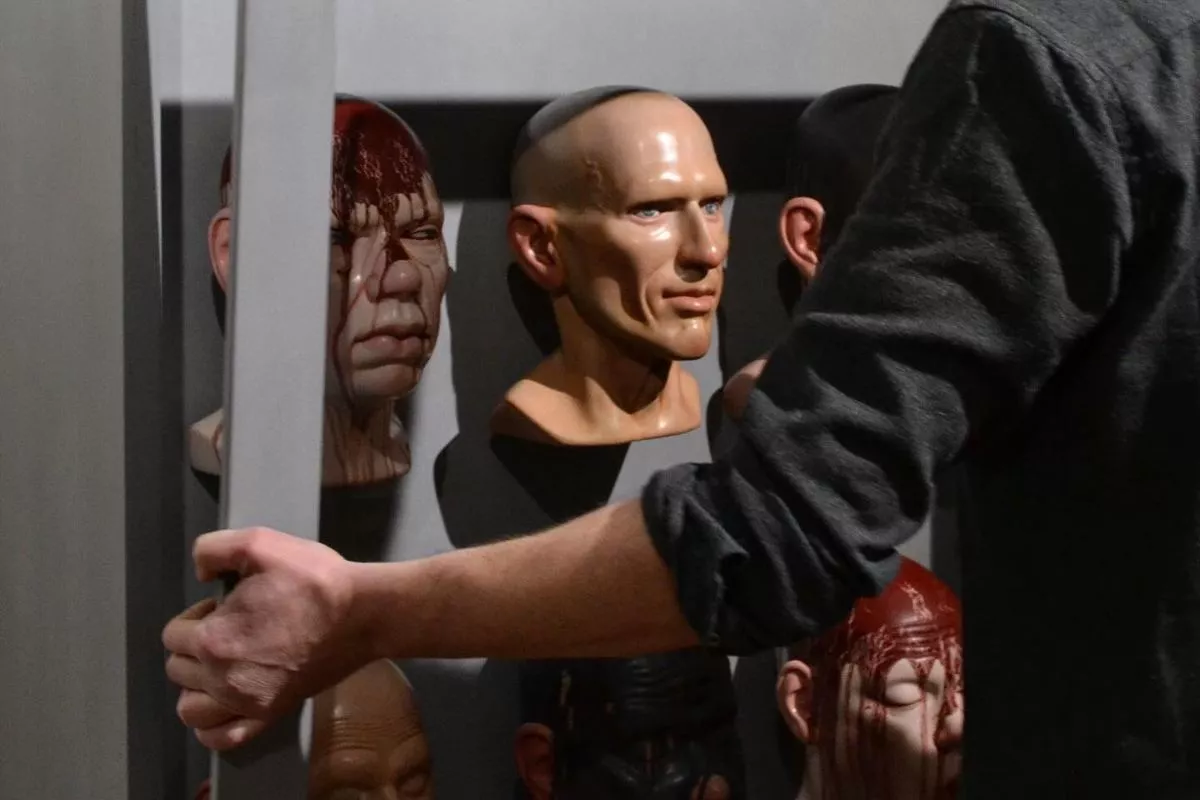
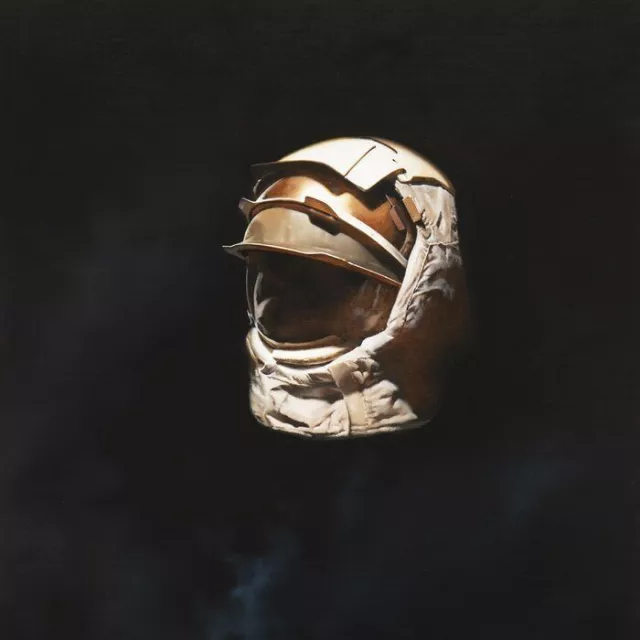
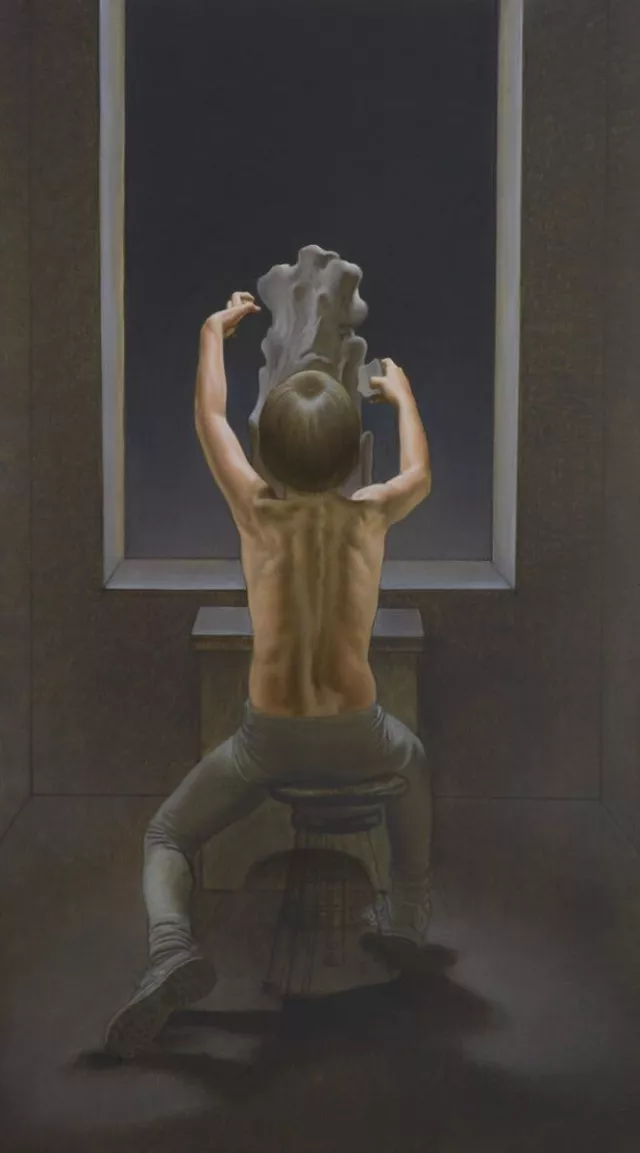
Richard Štipl originally devoted himself to painting and then to hyperrealist coloured sculpture, before returning to the canvas. His work is an introspection and revision of the inner processes that shape the outer form of the human body, especially the face. He works mainly with his own likeness in a kind of archetypal transfiguration – a psychological mirroring of the face as a gateway to inner psychological and spiritual spheres.
— Jarosław S. Pastuszak
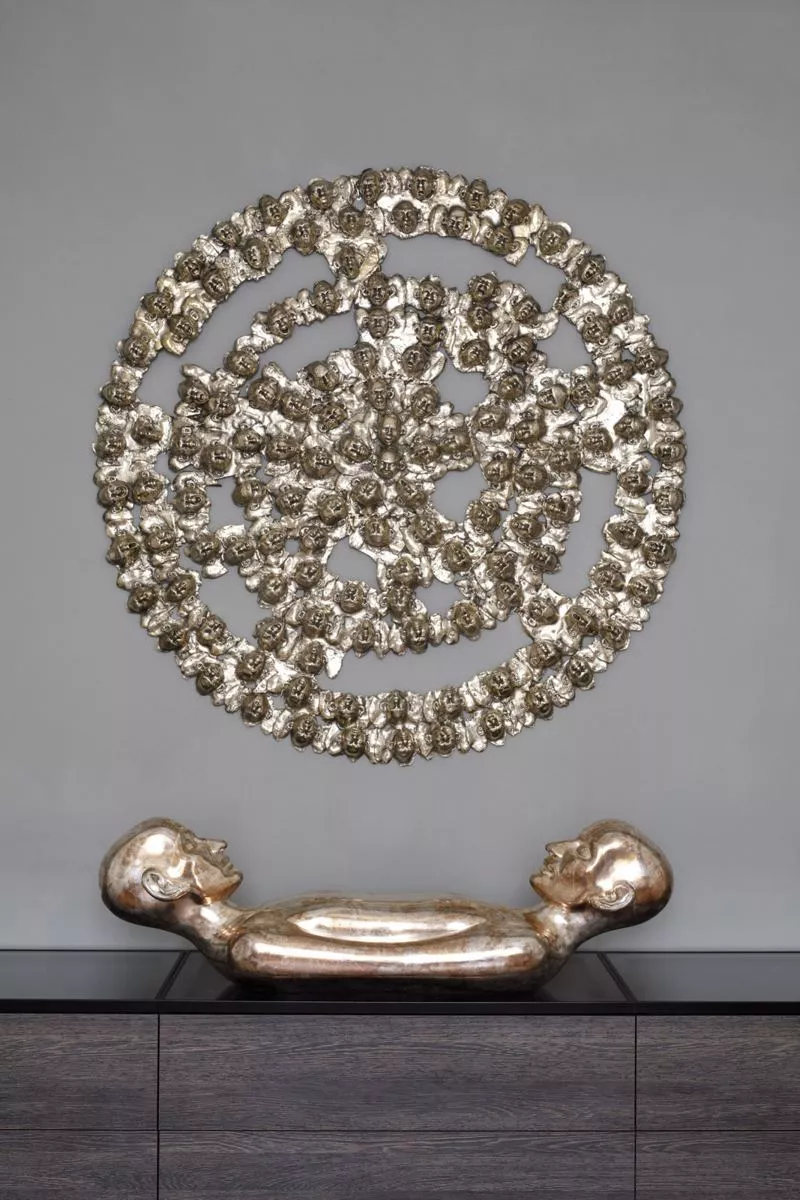
A fine thread connects ancient and contemporary art in the work of Richard Štipl – an encounter of the Sacred and the Profane, in a skilful combination of the classical ideal of beauty and experimentation – conveying a strong sense of power and dynamism ready to break free in the exaltation of the human body. It is a reflection of the innermost passions of contemporary society and its contradictory qualities.
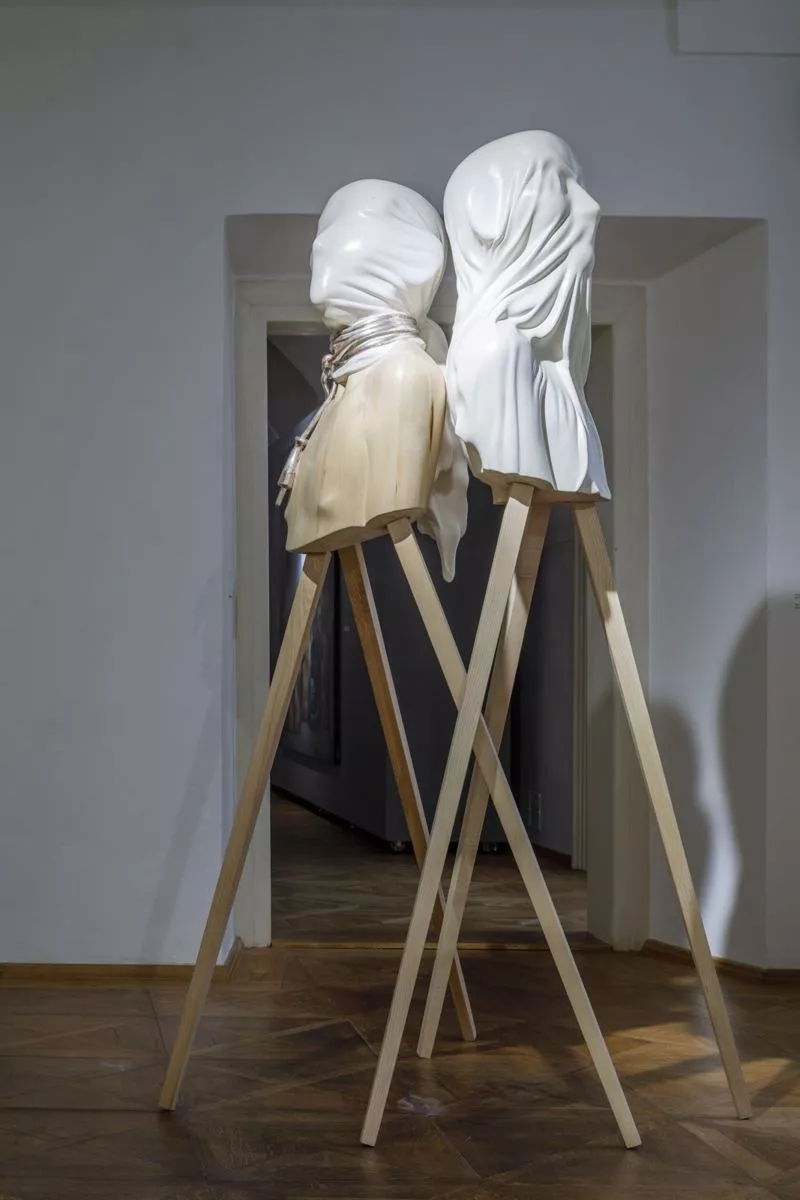
Using a language that draws on the sculpture of Franz Xaver Messerschmidt and others, Štipl accentuates expression and renews, throughout his life, a constant inner transformation of himself. Often using his own body as the subject of his works, he insists on the continual mutation of his own image. This is not the idea of the self-portrait as self-celebration; his body is rather a prototype that highlights a varied natural basis. Much like Nietzsche, who declared that he was “every name in history” – and hardly deceived himself in taking on the lives of others.
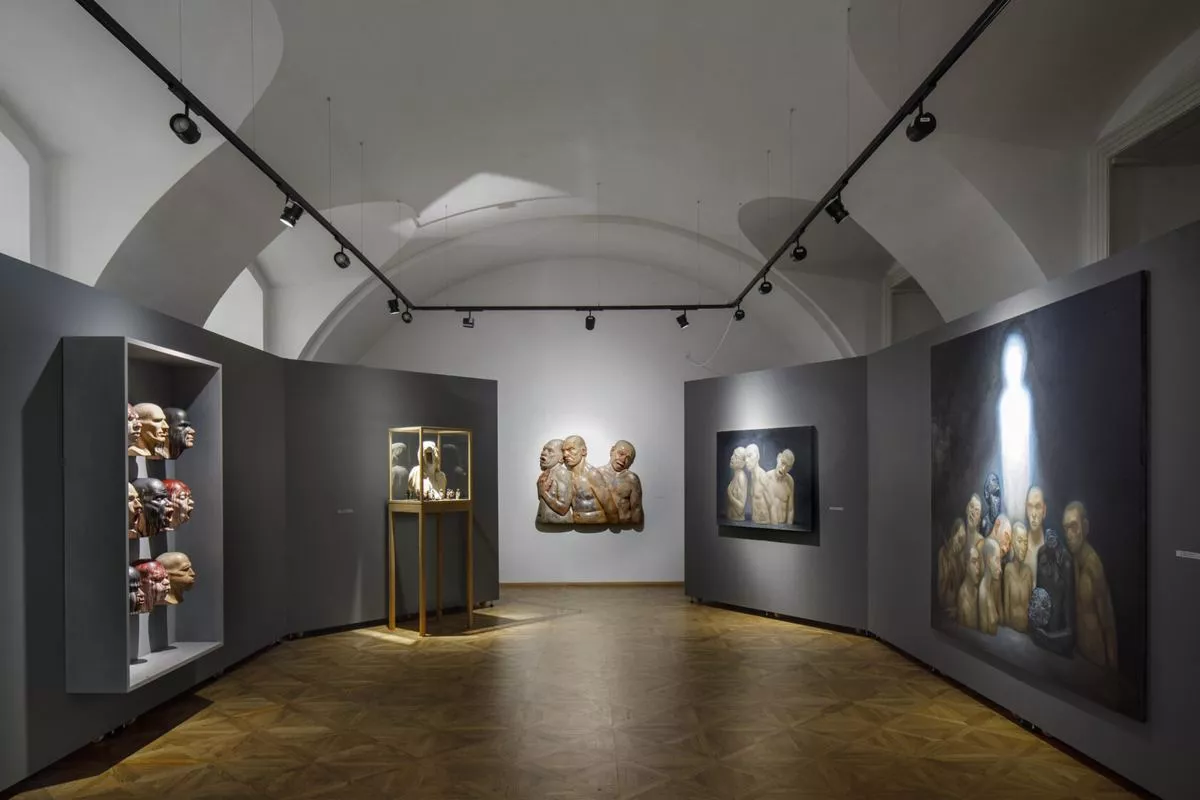
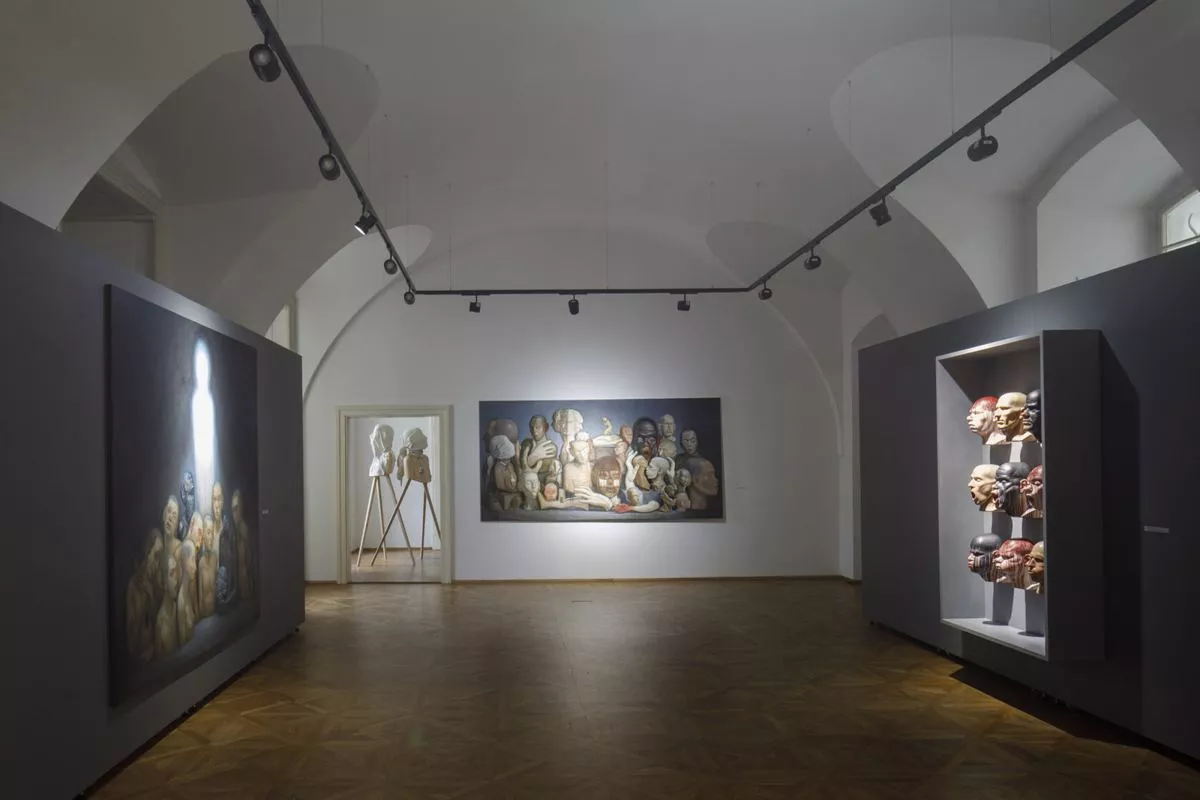
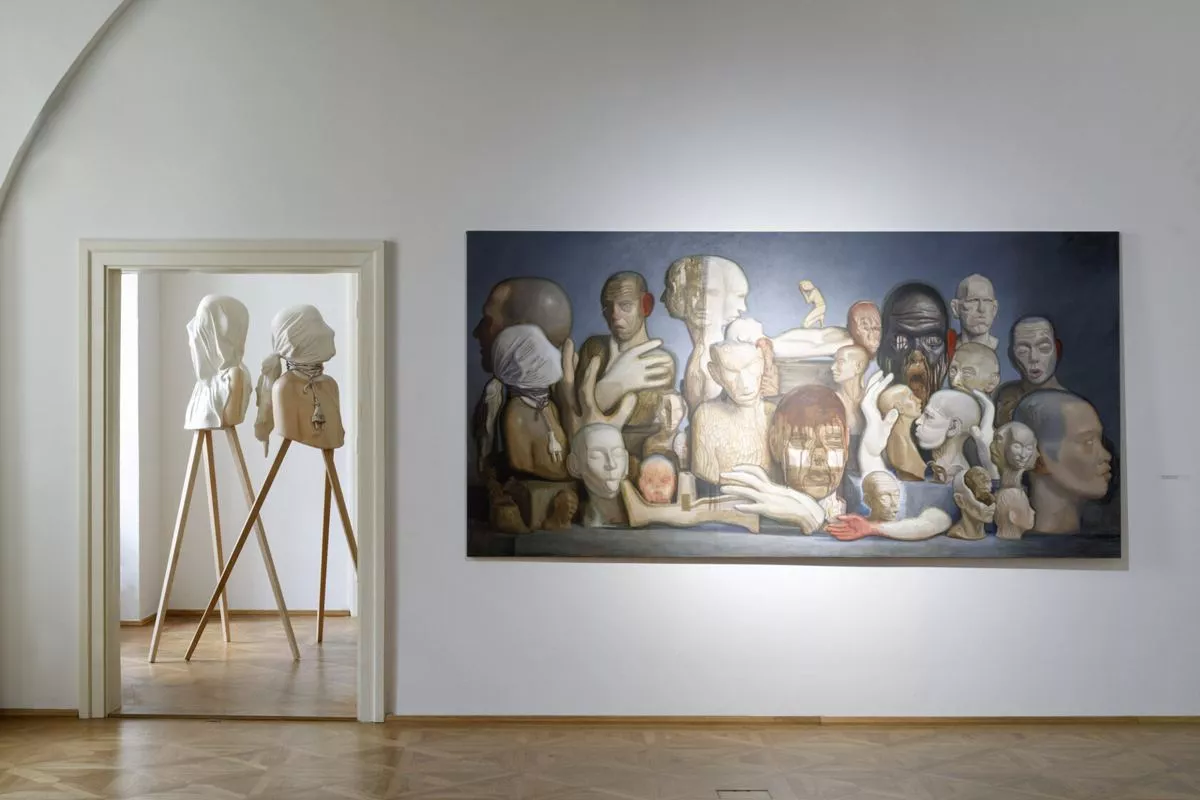
Štipl's sculptures and paintings show us complex situations in which certain beliefs collide. They are cognitive dissonances: erotic, cruel, tragic, mocking – in a quantity that would put a character under great pressure, break it down and condemn it to madness.
But in the end it is a Pirandellian madman who is born – one who, without further “masks”, frees himself from the many forms imposed by society. Madness then becomes a tool of resistance against false forms of life, a weapon that unravels conventions and rituals, reduces them to absurdity and exposes their ignorance.
We are confronted with narrative scenes rich in gesture and symbolism that connect with religious iconography, but not only with it: it is the overall relationship to the history of art that is fundamental to Štipl's work.
In revealing a cancelled, or removed, reality, the sculptures and paintings become a reflection of the restless and enigmatic relationship that Štipl establishes with the icons of media representation, by exploring the deeper meaning of the images of the contemporary sphere.
The impact is violent: the artist reworks the legacy of antiquity, and through this traumatic process the originals are decoded and revived in an entirely new light.
And if, in front of an image, we are always confronted with time, in Štipl's works this short circuit between the “here and now” and the immortal is perfectly created – or, in Benjamin's words, the Now becomes an intimate image of what has been.
Here, with any tool capable of producing signs, Štipl becomes a creator who appropriates the past in order to transform and assimilate it and to produce through it a further result: a view with “new eyes”.
Perhaps Didi-Huberman is right when he says that the orgies of the old gods always leave remnants visible to posterity – the human form recedes, yet remains suspended as the last possible form of human desire.
— Lucia Rossi